Callus
Do you have callus, dry, or hard skin skin?
Hard skin on the feet is a prevalent issue that requires attention. It is also a common reason for people to visit a chiropodist. While it may not be a significant concern for many individuals, some people find it unpleasant and painful.
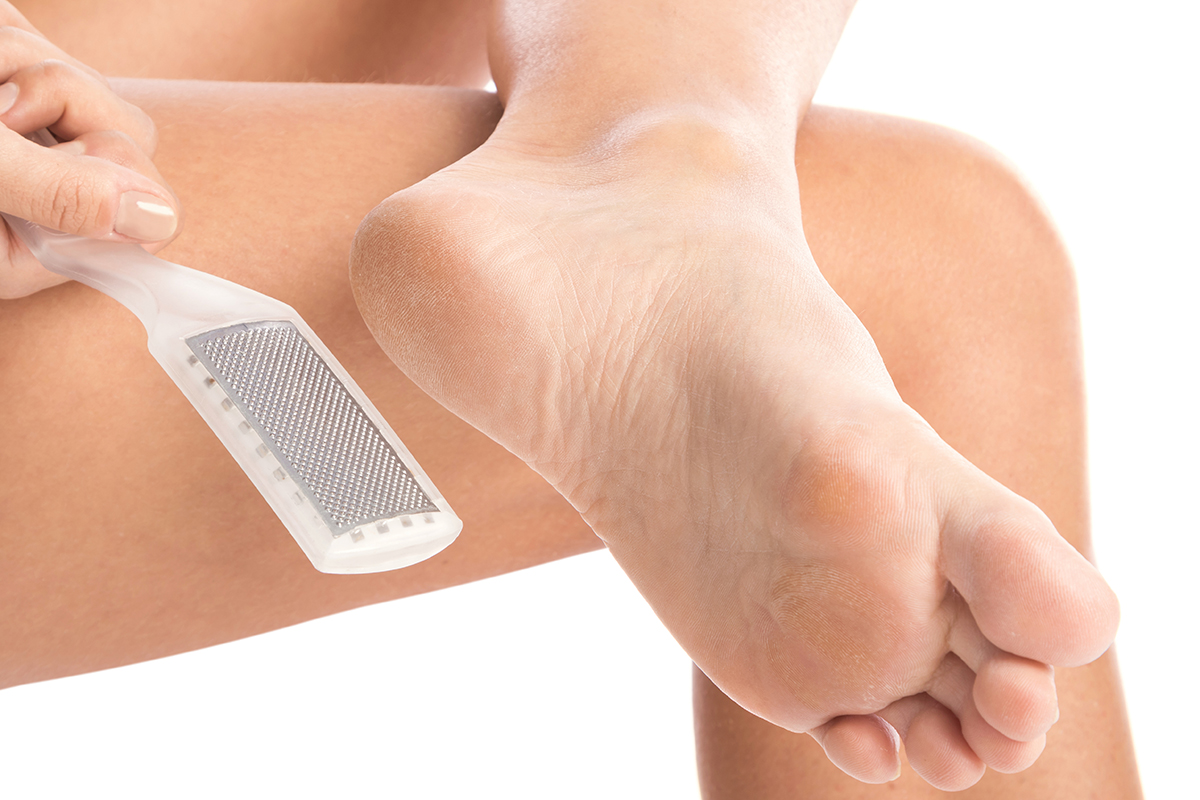
Dry, hard, and cracked skin often affects the heels of your feet, and it’s important to avoid treating cracked heels on your own. Dunford Health offers expert podiatry services to delicately smooth and remove hard skin from your feet. Callus can also be found on the bottom of your foot or on your toes, often requiring careful, sharp debridement. If you live in Whitchurch and are experiencing cracked/hard skin on your feet, please visit our clinic to get the care you need. Understanding the causes, treatment options, and prevention methods can help you manage calluses effectively.
What are Calluses?
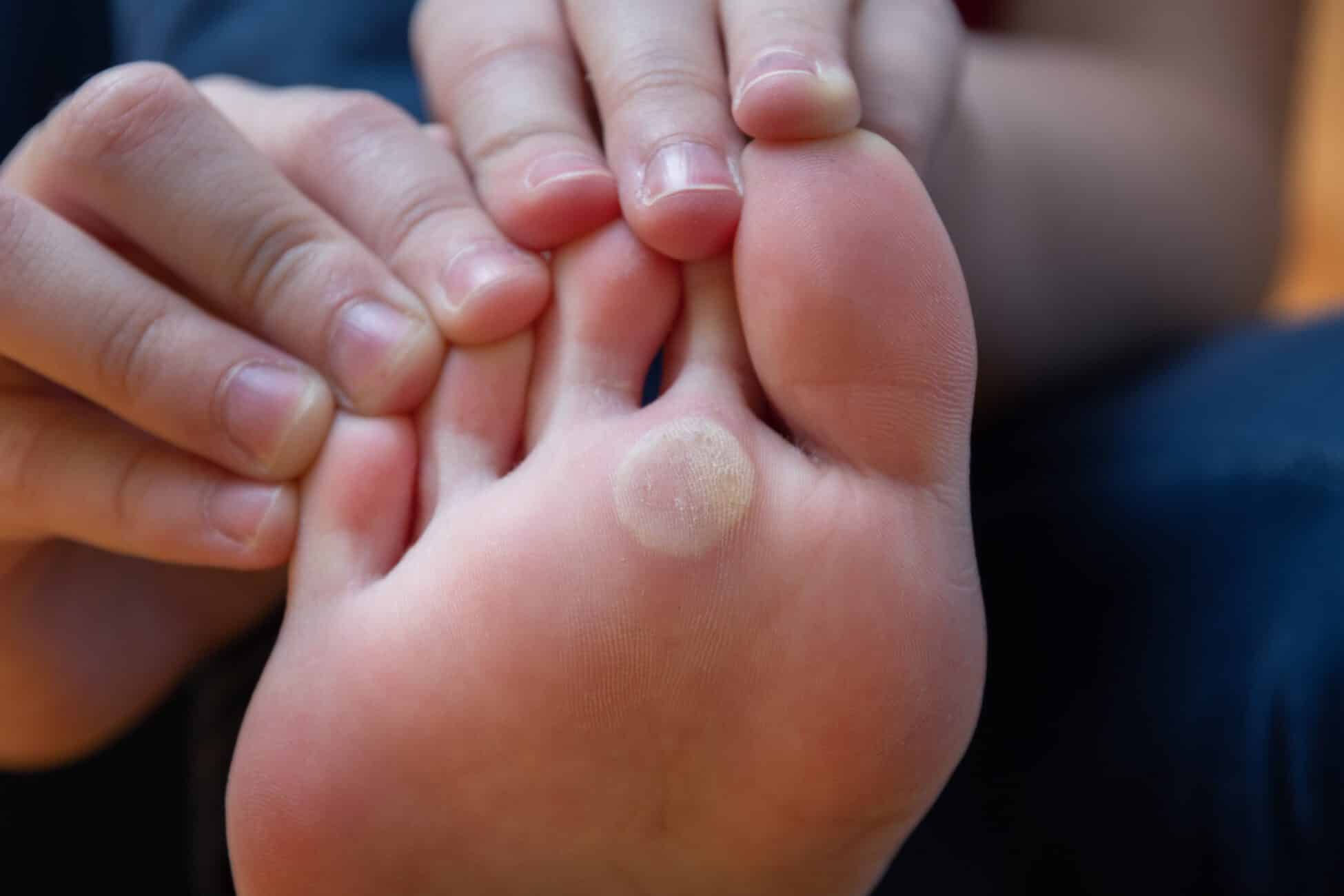
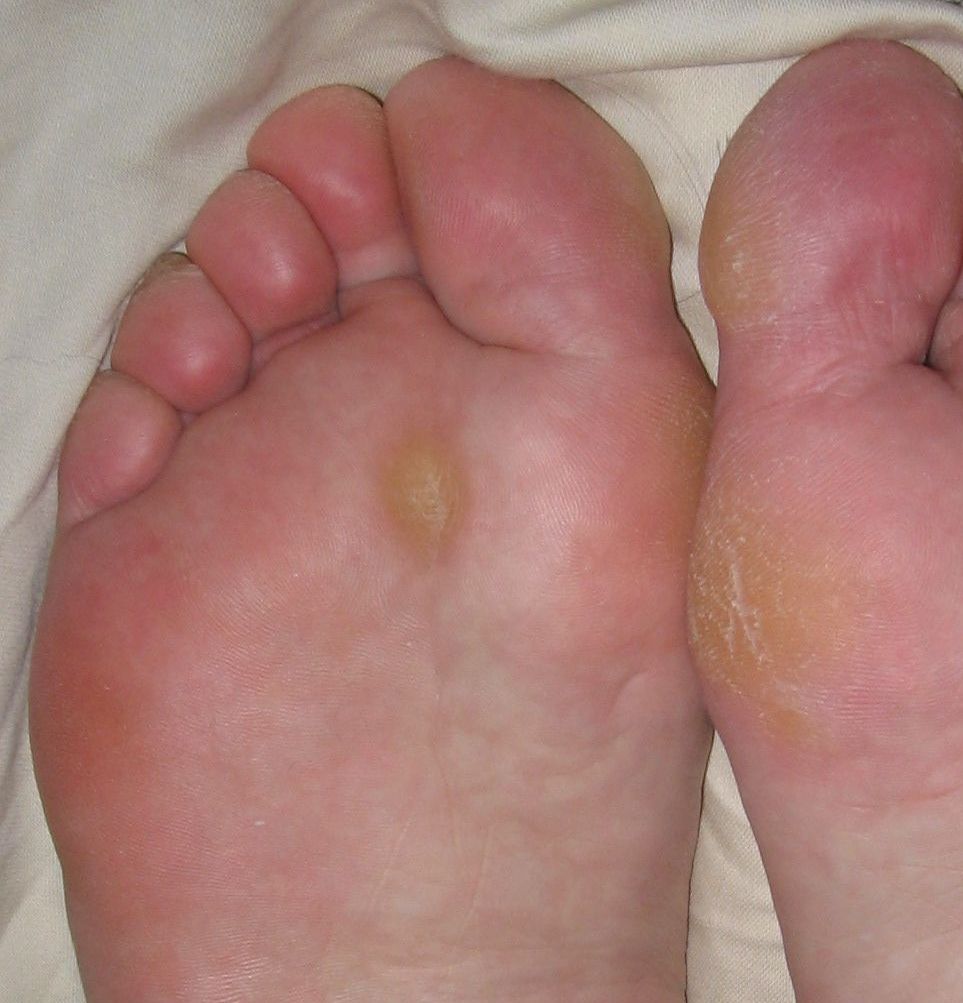
Calluses are areas of thickened, hardened skin that develop in response to repeated friction, pressure, or irritation. They typically form on the hands or feet but can occur anywhere on the body where there is repetitive rubbing or pressure.
The skin surrounding the heel splits because it cannot stretch and be flexible to meet the extra pressure as it typically would when the skin is excessively dry, and the region is under pressure from the body’s weight.
What factors can lead to cracked heels?
Listed below are a few of the most typical reasons why heels crack:
- Standing for extended periods.
- Reduced ankle mobility.
- improper footwear, such as open-heeled shoes such as sandals and flip-flops.
- Being overweight.
- Certain medical disorders, including psoriasis, eczema, and diabetes.
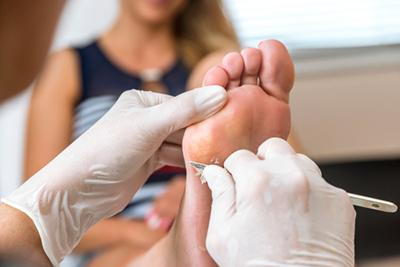
Treatment for Callus?
Regular chiropody/podiatry treatment and a thorough foot examination of the underlying causes are crucial for relieving pain and preventing painful callus. Our team of experienced chiropodists and podiatrists can effectively treat cracked heels with regular foot care.
Moisturise: Regularly moisturising the affected area can help soften the skin and reduce the thickness of the callus.
Padding or cushions can help alleviate pressure and friction on the affected area, allowing the callus to heal. We can make you an orthotic to relieve the pressure on the painful area.
Footwear adjustments: Wearing properly fitting shoes with ample cushioning and support can help prevent further friction and pressure on the feet.
Wearing suitable and supportive footwear is essential to prevent cracked heels. Additionally, using an emollient foot cream that contains urea can help soften the hard skin and retain moisture, ultimately preventing further dryness and cracking.
Offering a bespoke service that’s designed around individual needs.
Dunford Health, 35 Green End,
Whitchurch, SY13 1AD
01948 233132
contact@dunfordhealth.co.uk